Monday, 30 June 2014
FEATURE: Movie Talk on Sundays - Women in Film
What is #MTOS?
Every Sunday, at 8pm GMT on Twitter, like-minded film fans get together to discuss films. Each week a different person chooses ten questions to ask, one every ten minutes, on a topic of their choice. Follow me (twitter handle @bookshopgirl212) @MovieTOS, and the hashtag “#MTOS” to play along.
Hello fellow movie lovers; I think it is time to talk about Women In Film. It is a long overdue topic and I’m happy to use my second time hosting to celebrate and talk about women in front and behind the camera. Women have a vital role in filmmaking yet they never seem to get the spotlight they deserve.
On Sunday the 6th July we will change that. We will also talk about the money side of things; with Catching Fire, Frozen and Gravity, 2013 had 3 Top 10 highest grossing films featuring female leads – yet Hollywood still seems to be hesitant to put their money on female-centric blockbuster movies.
Get your thinking caps on and celebrate Women in Film!
Q1. Who’s your favourite female director and which film of hers is your favourite?
Q2. What is your favourite female-centric film?
Q3. Who is your favourite woman working in filmmaking? (editing, scoring, casting etc)
Q4. Which female producer do you think has been most influential in Hollywood filmmaking
Q5. Which filmmaker or writer continuously has great female characters in their work?
Q6. Which woman do you think was a catalyst for major change in front or behind the camera?
Q7. Who has the best male/female collaboration behind the camera?
Q8. 2013 was a great year 4 female-centric films.Why do u think does Hollywood still underestimate the box office draw of leading women?*
Q9. Female action heroes are sadly often sexualised. Give an example of great characters that weren’t.
Q10. To show boys and girls a strong female character they can aspire towards; which films would you use?
Last but not least, I want to thank Becky Lea (@beckygracelea) for giving me a spot on her fantastic website.
*P.S: Sorry about the abbreviations in Q8; I hate them too but 140 characters, eh!
- Kerstin
Follow @AssortedBuffery on Twitter
Or like our Facebook page
Friday, 27 June 2014
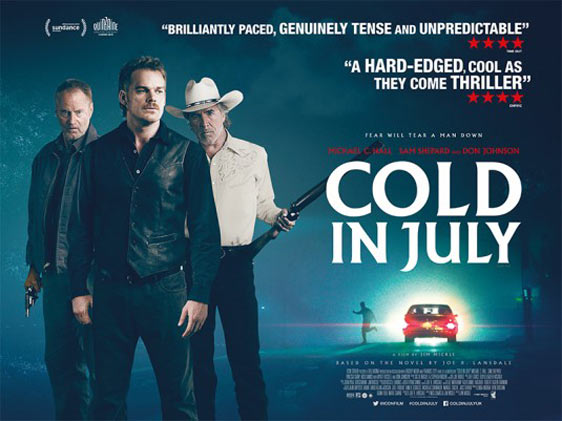
FILM REVIEW: Cold in July
After shooting a man attempting to rob his house, Richard Dane (Michael C. Hall) finds himself at odds with the man's father, Ben (Sam Shepard), newly released from prison. Based on Joe R. Lonsdale's novel of the same name, Cold in July is a gloriously twisting affair, captured here by Joe Mickle in a haze of Texas sunshine and thunderstorms.
To try and define the film in narrower generic terms than a 'thriller' feels as if I'm doing the film a disservice. It both feels conventional and yet utterly unique at the same time. Thanks in large part to a narrative which defies prediction, the film is an amalgam of various different elements in references that come together to form a nicely satisfying whole.
There are a fair few references to be found within Cold in July the most obvious of which are the kind of sweaty 80s thrillers Patrick Swayze tended to star in. The clearest and most consistent homage is the John Carpenter-esque score that underpins the action. Switching from pulsating bass lines to soft, tinkling piano throughout, Jeff Grace's score never quite lets you settle. There's a sense of urgency even in the quieter moments that keeps everything just the wrong side of comfortable.
As the plot continues to defy expectations, that discomfort remains as the events get ever darker. Despite expanding in such unpredictable ways, the narrative develops in a wholly organic fashion. An accidental discovery here leads to another revelation further along the way. It also doesn't forget about the characters along the way; each moment impacts upon their developing arcs and affects their future decisions. It's simple stuff really, but it is incredibly refreshing to view a film that is entirely aware that an increasingly dark set of circumstances will see its characters react in very different ways.
The performances are particularly excellent with Hall's portrayal of Richard performing a fine balancing act between a guilty wreck in ill-fitting checked shirts and a man determined to correct a mistake. Sam Shepard, as the vengeful father Ben, cuts an imposing figure, but one that is imbued with increasing depths as the film goes on. However, it is Don Johnson in a supporting role who livens up the screen, a man of twisted morality who somehow becomes the compass for the other characters; he doesn't necessarily point them in the legal direction, rather the direction that will bring them some form of emotional closure.
As keen as the film is to explore various facets of masculinity, which it does admirably, it does mean that some of the other roles feel a little underwritten. Vinessa Shaw's Ann, Richard's wife, suffers in this respect and it is often unclear what effect she is supposed to be having on Richard's life. In some scenes, she performs an antagonistic function whilst in others, she lapses into a supportive wife. Shaw's performance is solid, but it feels like there are gaps missing with her character and she pretty much gets forgotten about as the film progresses.
That niggle aside, Cold in July is a fascinatingly twisting affair, never content to offer the audience a rhythm to settle into or a pattern to predict. If you haven't read the Joe R. Lansdale book on which it is based, I'd advise avoiding any prior knowledge and just let it unfold before you in all its uncomfortable glory.
- Becky
Follow @AssortedBuffery on Twitter
Or like our Facebook page
Wednesday, 25 June 2014
FEATURE: Buffy the Vampire Slayer - Revelations
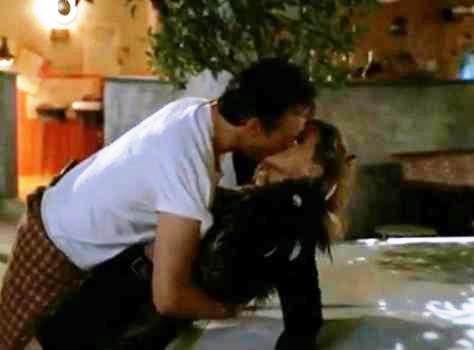
Previously on Buffy the Vampire Slayer: Faith arrived in Sunnydale after her Watcher was murdered and is under the care of Giles for now. Buffy is keeping Angel's return a secret and Xander and Willow are covering up for the fact that they kissed and don't actually want to keep their hands off each other.
A little synchronised slaying from Buffy and Faith is interrupted by the arrival of Gwendolyn Post (Mrs( in Sunnydale. She claims to be Faith's new Watcher and brings a foreboding warning to the gang. A demon called Lagos is in town and looking for the Glove of Mynhegon, a mystical wotsit capable of unleashing all manner of hell, as these things tend to do. It's also a major metallic fashion statement. In the meantime, Angel hears word of this himself and goes after the Glove, but is overseen by Xander who also witnesses him kissing Buffy. And yet in all aspects, things are not what they seem and it sparks off a series of the titular revelations.
Revelations is an episode that finds the gang at sixes and sevens once again as a nefarious outsider stirs up trouble and splits them down the middle. It doesn't help that they're all hiding things, Buffy in particular, and it's never good for the Scoobies when they're not being honest as we've seen earlier in the series. Angel is an especially sore point still given his previous extracurricular activities and is a natural fault line for nefarious outsider Gwendolyn Post to exploit. However, it's actually Xander who meddles, not giving Faith the whole picture when she decides to go after Angel (Oh Xander, you break my heart - how does Buffy keep forgiving him for all this shit?).
Post is a delicious villain, hiding in plain sight as an interfering and snobbish Watcher and guest star Serena Scott Thomas (yep, Kristin's sister) clearly relishes the role, dialling the stereotype up to 11. Whilst the constant sneering does make the bait-and-switch villain reveal a little more obvious, she's a tonne of fun to watch, particularly when making Giles squirm. It also marks another episode in which it's a human corrupted by power that forms the villainy, rather than a demon, something which becomes increasingly important as the series continues.
The Scoobies get another one of their meetings around the library table in which they all fall back into their assigned roles in such situations; Xander becomes the harsh voice of truth, often resorting to snide comments to get his point across, Willow is caring or attempting to be and Giles is the authoritarian. It's another tough scene to watch because it feels like watching your family argue. Anthony Head gets one of his best moments in quietly admonishing Buffy, reminding her of the torture he suffered at the hands of Angel. And yet it is also a sign of just how well written these characters are. We care that much when they're divided.
The lightening of the Glove proves to be an apt visual metaphor for the episode's narrative. Everyone gets brief, flashing glimpses of the truth without being able to piece the whole story together and each glimpse sets off a new spark. However, it makes the final fight that little bit more satisfying, particularly when Angel goes all heroic and saves Willow's life, revealing that Buffy is right and he's not about to go all kill-happy again.
The faultlines aren't all sealed in this episode though; it marks the first major clash between Buffy and Faith, something which will escalate towards the end of the season and beyond. It also starts isolating Faith from the rest of the Scoobies; she's not brought up to speed by Buffy regarding the Angel situation and her inability to trust them becomes a defining factor in her relationship with them. Also, Giles continues to feel alienated from the Watcher's Council, a recurring issue which rises steadily throughout the third season.
Revelations is a fairly decent standalone episode, but it feels largely more about tying up some threads and unravelling others, particularly where Faith is concerned. In that sense, it's pretty important for her ongoing character development in that she loses yet another parental figure and ends up by herself at the end of the episode. However, the quality never really stretches beyond that to become great. It's just... good.
Quote of the Week:
Buffy: Interesting lady. Can we kill her?
Giles: I think the Council might frown upon that.
Inventive Kill: Buffy uses a conveniently shaped shard of glass to separate arm from Post. The demon lightening does the rest.
Let's Get Trivial: This is the first episode where lightening can be magically manipulated. Shocking. (Sorry)
- Becky
You can read Becky's write-up of Band Candy here.
Follow @AssortedBuffery on Twitter
Or like our Facebook page
A little synchronised slaying from Buffy and Faith is interrupted by the arrival of Gwendolyn Post (Mrs( in Sunnydale. She claims to be Faith's new Watcher and brings a foreboding warning to the gang. A demon called Lagos is in town and looking for the Glove of Mynhegon, a mystical wotsit capable of unleashing all manner of hell, as these things tend to do. It's also a major metallic fashion statement. In the meantime, Angel hears word of this himself and goes after the Glove, but is overseen by Xander who also witnesses him kissing Buffy. And yet in all aspects, things are not what they seem and it sparks off a series of the titular revelations.
Revelations is an episode that finds the gang at sixes and sevens once again as a nefarious outsider stirs up trouble and splits them down the middle. It doesn't help that they're all hiding things, Buffy in particular, and it's never good for the Scoobies when they're not being honest as we've seen earlier in the series. Angel is an especially sore point still given his previous extracurricular activities and is a natural fault line for nefarious outsider Gwendolyn Post to exploit. However, it's actually Xander who meddles, not giving Faith the whole picture when she decides to go after Angel (Oh Xander, you break my heart - how does Buffy keep forgiving him for all this shit?).
Post is a delicious villain, hiding in plain sight as an interfering and snobbish Watcher and guest star Serena Scott Thomas (yep, Kristin's sister) clearly relishes the role, dialling the stereotype up to 11. Whilst the constant sneering does make the bait-and-switch villain reveal a little more obvious, she's a tonne of fun to watch, particularly when making Giles squirm. It also marks another episode in which it's a human corrupted by power that forms the villainy, rather than a demon, something which becomes increasingly important as the series continues.
The Scoobies get another one of their meetings around the library table in which they all fall back into their assigned roles in such situations; Xander becomes the harsh voice of truth, often resorting to snide comments to get his point across, Willow is caring or attempting to be and Giles is the authoritarian. It's another tough scene to watch because it feels like watching your family argue. Anthony Head gets one of his best moments in quietly admonishing Buffy, reminding her of the torture he suffered at the hands of Angel. And yet it is also a sign of just how well written these characters are. We care that much when they're divided.
The lightening of the Glove proves to be an apt visual metaphor for the episode's narrative. Everyone gets brief, flashing glimpses of the truth without being able to piece the whole story together and each glimpse sets off a new spark. However, it makes the final fight that little bit more satisfying, particularly when Angel goes all heroic and saves Willow's life, revealing that Buffy is right and he's not about to go all kill-happy again.
The faultlines aren't all sealed in this episode though; it marks the first major clash between Buffy and Faith, something which will escalate towards the end of the season and beyond. It also starts isolating Faith from the rest of the Scoobies; she's not brought up to speed by Buffy regarding the Angel situation and her inability to trust them becomes a defining factor in her relationship with them. Also, Giles continues to feel alienated from the Watcher's Council, a recurring issue which rises steadily throughout the third season.
Revelations is a fairly decent standalone episode, but it feels largely more about tying up some threads and unravelling others, particularly where Faith is concerned. In that sense, it's pretty important for her ongoing character development in that she loses yet another parental figure and ends up by herself at the end of the episode. However, the quality never really stretches beyond that to become great. It's just... good.
Quote of the Week:
Buffy: Interesting lady. Can we kill her?
Giles: I think the Council might frown upon that.
Inventive Kill: Buffy uses a conveniently shaped shard of glass to separate arm from Post. The demon lightening does the rest.
Let's Get Trivial: This is the first episode where lightening can be magically manipulated. Shocking. (Sorry)
- Becky
You can read Becky's write-up of Band Candy here.
Follow @AssortedBuffery on Twitter
Or like our Facebook page
Wednesday, 18 June 2014
FEATURE: Buffy the Vampire Slayer - Band Candy
Previously on Buffy the Vampire Slayer: An old friend of Giles, Ethan Rayne, had previously used Sunnydale as his own chaotic playing ground, scarpering after a demon came after them. Mr Trick is now working with Mayor Wilkins on the Slayer problem after Slayerfest '98 and Buffy is still dealing with the consequences of running away.
There are some episodes of Buffy I can watch over and over again and never get bored with. Band Candy is one such episode. It's just a whirligig of fun from start to finish, one that picks up the magic as metaphor theme and runs the finest sprint you will ever see with it. The third season has a few such episodes, along with season four (yep, I'm a season four defender, sorry guys) and Band Candy shifts the focus on to the responsible adults being anything but, whilst the younger Sunnydale population are forced to deal with the consequences. Plus, there's a fairly gratuitous Angel topless shot. And he's sweaty. You're welcome Angel fans.
The gang are forced to sell candy on behalf of the Sunnydale Marching Band who are in need of new uniforms. Reluctantly, Buffy touts chocolate to Joyce and Giles whilst also playing them off against each other in order to have a bit of time with Angel. They soon discover her ruse and decide to meet to discuss a way in which Buffy can be supervised. However, that's no ordinary candy. The addictive bars start regressing those consuming them until the adults being acting like their teenage selves. As it's Ethan's plan, naturally chaos ensues as it's really just a cover so the Mayor can offer a load of babies as tribute to an underground demon snake thing called Lurconis.
The central concept of this episode already means that the potential for success is considerably high, but what is brilliant about Band Candy is how much fun everyone, from writers to actors, have fun with it. It's a classic 'be careful what you wish for' situation as Buffy, in the middle of revising for her SATs, begs to be given more responsibility from the authority figures in her life. It also provides endless comedy moments for the older actors in the Buffy troupe, particularly Kristine Sutherland and Anthony Head who look like they're having an absolute blast, both of them allowed to stop being the authority figures for a while.
Although much of Giles' past has been hinted at before, it's our first chance to get to see what Ripper was really like and it doesn't disappoint. The RP accent disappears, he opts for a grungy jeans and t-shirt combo, starts smoking and threatens policemen. His animosity towards Ethan is a particular highlight as well as any scene he shares with Joyce. They play well off each other, making the most of their simmering chemistry that has gone on through much of the series so far. Kristine Sutherland is great as a younger version of Joyce who in turn feels like a dorkier version of Buffy; they share some of the same vocal patterns and humour. It's a keen observation from Sutherland, just one of many smaller aspects that make up to a more satisfying whole.
The masterstroke of the episode is how deftly it shades in the backgrounds of each of the older characters without resorting to any exposition-based monologues, as well as building the older versions themselves. Snyder is easier to understand as the commandant of Sunnydale High when you realise he was a completely insecure dweeb with little to no social skills, now relishing the opportunity that authority affords him. Joyce's insecurities as a parent are founded in her insecurities as a teenager, desperate for Ripper's approval and hiding her true likes and dislikes to be more impressive.
Jane Espenson is on first-time writing duty and the script characteristically sparkles. In fact, picking a quote of the week proved to be very difficult because it's witty from start to finish and references abound (including a great Death of a Salesman nod, which will appear later in Restless). There's always a better atmosphere when the show's dialogue is at its tip-top best and whilst it might not be as quotable as others we could mention, it's consistently hilarious.
Certainly one of the best standalone Buffy episodes, particularly of the third season, Band Candy is one that has never diminished in my eyes. It's damn near perfect.
Quote of the Week:
Cordelia: At first it was fun, you know? They seemed like they were in this really good mood--not like parents--and then...
Willow: Badness?
Cordelia: Mom started borrowing my clothes. There should be an age limit on lycra pants. And Dad, he just locked himself in the bathroom with old copies of Esquire.
Inventive Kill: Buffy fashions a makeshift blowtorch and sets fire to dodgy-effects Lurconis.
Let's Get Trivial: This episode is referred back to multiple times; Giles and Joyce now avoid each other for a few episodes, Buffy discovers they actually did have sex in Earshot and Giles plays the Cream song Tales of Brave Ulysses after Joyce's funeral in Forever. Sob.
- Becky
You can catch Becky's look at Homecoming here.
Follow @AssortedBuffery on Twitter
Or like our Facebook page
There are some episodes of Buffy I can watch over and over again and never get bored with. Band Candy is one such episode. It's just a whirligig of fun from start to finish, one that picks up the magic as metaphor theme and runs the finest sprint you will ever see with it. The third season has a few such episodes, along with season four (yep, I'm a season four defender, sorry guys) and Band Candy shifts the focus on to the responsible adults being anything but, whilst the younger Sunnydale population are forced to deal with the consequences. Plus, there's a fairly gratuitous Angel topless shot. And he's sweaty. You're welcome Angel fans.
The gang are forced to sell candy on behalf of the Sunnydale Marching Band who are in need of new uniforms. Reluctantly, Buffy touts chocolate to Joyce and Giles whilst also playing them off against each other in order to have a bit of time with Angel. They soon discover her ruse and decide to meet to discuss a way in which Buffy can be supervised. However, that's no ordinary candy. The addictive bars start regressing those consuming them until the adults being acting like their teenage selves. As it's Ethan's plan, naturally chaos ensues as it's really just a cover so the Mayor can offer a load of babies as tribute to an underground demon snake thing called Lurconis.
The central concept of this episode already means that the potential for success is considerably high, but what is brilliant about Band Candy is how much fun everyone, from writers to actors, have fun with it. It's a classic 'be careful what you wish for' situation as Buffy, in the middle of revising for her SATs, begs to be given more responsibility from the authority figures in her life. It also provides endless comedy moments for the older actors in the Buffy troupe, particularly Kristine Sutherland and Anthony Head who look like they're having an absolute blast, both of them allowed to stop being the authority figures for a while.
Although much of Giles' past has been hinted at before, it's our first chance to get to see what Ripper was really like and it doesn't disappoint. The RP accent disappears, he opts for a grungy jeans and t-shirt combo, starts smoking and threatens policemen. His animosity towards Ethan is a particular highlight as well as any scene he shares with Joyce. They play well off each other, making the most of their simmering chemistry that has gone on through much of the series so far. Kristine Sutherland is great as a younger version of Joyce who in turn feels like a dorkier version of Buffy; they share some of the same vocal patterns and humour. It's a keen observation from Sutherland, just one of many smaller aspects that make up to a more satisfying whole.
The masterstroke of the episode is how deftly it shades in the backgrounds of each of the older characters without resorting to any exposition-based monologues, as well as building the older versions themselves. Snyder is easier to understand as the commandant of Sunnydale High when you realise he was a completely insecure dweeb with little to no social skills, now relishing the opportunity that authority affords him. Joyce's insecurities as a parent are founded in her insecurities as a teenager, desperate for Ripper's approval and hiding her true likes and dislikes to be more impressive.
Jane Espenson is on first-time writing duty and the script characteristically sparkles. In fact, picking a quote of the week proved to be very difficult because it's witty from start to finish and references abound (including a great Death of a Salesman nod, which will appear later in Restless). There's always a better atmosphere when the show's dialogue is at its tip-top best and whilst it might not be as quotable as others we could mention, it's consistently hilarious.
Certainly one of the best standalone Buffy episodes, particularly of the third season, Band Candy is one that has never diminished in my eyes. It's damn near perfect.
Quote of the Week:
Cordelia: At first it was fun, you know? They seemed like they were in this really good mood--not like parents--and then...
Willow: Badness?
Cordelia: Mom started borrowing my clothes. There should be an age limit on lycra pants. And Dad, he just locked himself in the bathroom with old copies of Esquire.
Inventive Kill: Buffy fashions a makeshift blowtorch and sets fire to dodgy-effects Lurconis.
Let's Get Trivial: This episode is referred back to multiple times; Giles and Joyce now avoid each other for a few episodes, Buffy discovers they actually did have sex in Earshot and Giles plays the Cream song Tales of Brave Ulysses after Joyce's funeral in Forever. Sob.
- Becky
You can catch Becky's look at Homecoming here.
Follow @AssortedBuffery on Twitter
Or like our Facebook page
Thursday, 12 June 2014
FEATURE: Buffy the Vampire Slayer - Homecoming
Previously on Buffy the Vampire Slayer: Angel has returned to Sunnydale from a hell dimension. Buffy knows, but is keeping it a secret from the gang. She also happens to be dating Scott now.
First of all, apologies for the gap in posts, folks! You know how it is, all you want to be doing is watching Buffy all day, but then life happens and you have to deal with that. However, we are back and we are raring to go with Homecoming, which is a doozy of an episode to come back to.
The Homecoming Dance is impending at Sunnydale High and so too is the competition to be crowned Homecoming Queen. After a typically self-centred moment from Cordelia, Buffy decides to run against her to prove that not only can she slay, she can also wear the hell out of a fake plastic crown. Not only is the decision influenced by Cordelia being mean, it also comes as a result of Buffy feeling invisible at school having been dumped by Scott and missing the yearbook photo call. Elsewhere, Mr Trick decides to take out Buffy and Faith, but in characteristically suave fashion, constructs Slayerfest '98 (98?!) in which he offers a reward for assorted hit gentleman/ladies/spiny-headed creatures to track down and kill them.
The episode is notable for a few things, not least the enmity between Buffy and Cordelia or the kiss between Xander and Willow. Before we get to those particular explosions, there's another huge moment at the beginning of this episode in which we meet the Mayor for the first time. We learn a fair bit in a brief exchange with his aide Alan like his abhorrence of germs and, perhaps more importantly, how knowledgable he is about the darker side of Sunnydale. It teams him up with Mr Trick by the end of the episode, a partnership which will prove influential over the course of a few episodes. He's drawn to Trick by his Smokin' Aces style hit on Buffy and Faith (customary plug for Smokin' Aces here: it's a great film).
However, due to the assassins not having seen Faith, they hijack the limo that Cordelia and Buffy have been put in to sort out their differences and don't really care that a slayer is missing. And naturally everything goes awry. The Slayerfest concept leads to some great set-pieces and some particular inventive use of a spatula from Cordelia. The various differences in the fighting styles of the Slayerfest competitors allows for some variety across the episode itself. Buffy taking down the dagger throwing yellow demon is fun, but it's the way in which she dispatches the Germans that is the most memorable. And just through the cunning use of wet toilet paper.
In turn, the already explosive combination of Cordelia and Buffy at loggerheads adds some genuine tension to the proceedings. Everything about their interactions with each just screams hatred, even down to the clashing colour of their dresses. Yet it does allow them to work out their differences across the course of the episode as they take down the demons, accept their respective differences and then lose the Homecoming crown together (a typically great Buffy undercut right at the close of the episode).
All the props to Charisma Carpenter in this episode who manages to make Cordelia truly detestable and sympathetic at the same time. She goes from dead weight to monologuing a vampire into running away over the course of the episode, an evolution that feels organic (not to mention forecasting her future development). It's something of a theme for her role in Buffy before moving on to Angel, but she does it very well and is the perfect foil for Sarah Michelle Gellar. Gellar often gets a lot of flak for her portrayal of Buffy, as does the character of Buffy herself, but in Homecoming, she captures that desperate sense of isolation perfectly; her pleading with Scott in particular strikes an emotional chord.
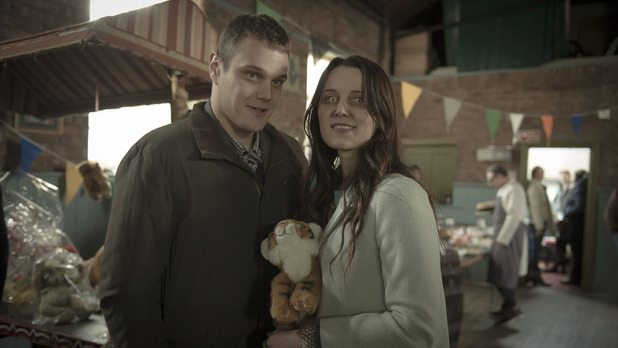
There's also lots of great little moments of humour in this episode like Giles and the finger sandwiches at the Homecoming Dance, not to mention his mannerisms looking wonderfully out of place at the Bronze. And then there's the dad jokes. Oh the dad jokes. Xander and Willow kiss for the first time, which should feel cathartic considering Willow's previously unrequited crush, but actually makes me a little sad. The best little moment, though, belongs to Faith as she approaches Scott, now dancing with another blonde, and tells him the itching, swelling and burning will go down in a few days as the blonde becomes decidedly unimpressed.
It's not one of the all time great episodes, but Homecoming does allow for two sparring partners to engage in adversarial combat for the entire runtime. Cordelia and Buffy rarely get moments like these alone anymore and it's always fun to see them snipe.
Next week is Band Candy. BAND CANDY. I shall try and contain myself until then. Promise.
Quote of the Week:
Xander: Okay, let's not say something we'll regret later, okay?
Cordelia: You crazy freak!
Buffy: Vapid whore!
Inventive Kill: Buffy disposes of Candy Gorch with a spatula, provided by Cordelia.
Sunnydale Who's Who: Lyle Gorch, husband of Candy, was last seen in Season 2's episode, Bad Eggs.
- Becky
You can read Becky's look at previous episode Beauty and the Beasts here.
Follow @AssortedBuffery on Twitter
Or like our Facebook page
First of all, apologies for the gap in posts, folks! You know how it is, all you want to be doing is watching Buffy all day, but then life happens and you have to deal with that. However, we are back and we are raring to go with Homecoming, which is a doozy of an episode to come back to.
The Homecoming Dance is impending at Sunnydale High and so too is the competition to be crowned Homecoming Queen. After a typically self-centred moment from Cordelia, Buffy decides to run against her to prove that not only can she slay, she can also wear the hell out of a fake plastic crown. Not only is the decision influenced by Cordelia being mean, it also comes as a result of Buffy feeling invisible at school having been dumped by Scott and missing the yearbook photo call. Elsewhere, Mr Trick decides to take out Buffy and Faith, but in characteristically suave fashion, constructs Slayerfest '98 (98?!) in which he offers a reward for assorted hit gentleman/ladies/spiny-headed creatures to track down and kill them.
The episode is notable for a few things, not least the enmity between Buffy and Cordelia or the kiss between Xander and Willow. Before we get to those particular explosions, there's another huge moment at the beginning of this episode in which we meet the Mayor for the first time. We learn a fair bit in a brief exchange with his aide Alan like his abhorrence of germs and, perhaps more importantly, how knowledgable he is about the darker side of Sunnydale. It teams him up with Mr Trick by the end of the episode, a partnership which will prove influential over the course of a few episodes. He's drawn to Trick by his Smokin' Aces style hit on Buffy and Faith (customary plug for Smokin' Aces here: it's a great film).
However, due to the assassins not having seen Faith, they hijack the limo that Cordelia and Buffy have been put in to sort out their differences and don't really care that a slayer is missing. And naturally everything goes awry. The Slayerfest concept leads to some great set-pieces and some particular inventive use of a spatula from Cordelia. The various differences in the fighting styles of the Slayerfest competitors allows for some variety across the episode itself. Buffy taking down the dagger throwing yellow demon is fun, but it's the way in which she dispatches the Germans that is the most memorable. And just through the cunning use of wet toilet paper.
In turn, the already explosive combination of Cordelia and Buffy at loggerheads adds some genuine tension to the proceedings. Everything about their interactions with each just screams hatred, even down to the clashing colour of their dresses. Yet it does allow them to work out their differences across the course of the episode as they take down the demons, accept their respective differences and then lose the Homecoming crown together (a typically great Buffy undercut right at the close of the episode).
All the props to Charisma Carpenter in this episode who manages to make Cordelia truly detestable and sympathetic at the same time. She goes from dead weight to monologuing a vampire into running away over the course of the episode, an evolution that feels organic (not to mention forecasting her future development). It's something of a theme for her role in Buffy before moving on to Angel, but she does it very well and is the perfect foil for Sarah Michelle Gellar. Gellar often gets a lot of flak for her portrayal of Buffy, as does the character of Buffy herself, but in Homecoming, she captures that desperate sense of isolation perfectly; her pleading with Scott in particular strikes an emotional chord.
There's also lots of great little moments of humour in this episode like Giles and the finger sandwiches at the Homecoming Dance, not to mention his mannerisms looking wonderfully out of place at the Bronze. And then there's the dad jokes. Oh the dad jokes. Xander and Willow kiss for the first time, which should feel cathartic considering Willow's previously unrequited crush, but actually makes me a little sad. The best little moment, though, belongs to Faith as she approaches Scott, now dancing with another blonde, and tells him the itching, swelling and burning will go down in a few days as the blonde becomes decidedly unimpressed.
It's not one of the all time great episodes, but Homecoming does allow for two sparring partners to engage in adversarial combat for the entire runtime. Cordelia and Buffy rarely get moments like these alone anymore and it's always fun to see them snipe.
Next week is Band Candy. BAND CANDY. I shall try and contain myself until then. Promise.
Quote of the Week:
Xander: Okay, let's not say something we'll regret later, okay?
Cordelia: You crazy freak!
Buffy: Vapid whore!
Inventive Kill: Buffy disposes of Candy Gorch with a spatula, provided by Cordelia.
Sunnydale Who's Who: Lyle Gorch, husband of Candy, was last seen in Season 2's episode, Bad Eggs.
- Becky
You can read Becky's look at previous episode Beauty and the Beasts here.
Follow @AssortedBuffery on Twitter
Or like our Facebook page

Monday, 9 June 2014
TV REVIEW: Game of Thrones - The Watchers on the Wall
As with Blackwater, the battle at the Wall is afforded an entire episode over which to play out as tension mounts within the Night's Watch. The narrative takes place over three main acts that takes in the pre-battle nerves, the outbreak of fighting itself and the bloody aftermath. Perfectly paced and elegantly constructed, Benioff and Weiss utilise the established camaraderie between Jon Snow, Sam, Grenn and Pyp and the angry figure of Ygritte to form the emotional threads of the episode, building the rest of the action around them and thus ensuring that the violence carries more of an impact.
Much of the tragedy and humour arises from how young and inexperienced these men are; Ser Alliser chastising them all on the misinterpretation of 'nock' is particularly entertaining. Sam feels this more than most with his guilt over losing Gilly which pushes him to question Jon about sex with Ygritte. The awkward humour is played beautifully between John Bradley and Kit Harington whose chemistry often makes these scenes stand out. Their interactions throughout the episode are tinged with sadness and it is here, in this first scene, that a sense of playfulness is allowed to come to the fore, adding a much needed humour to the proceedings.
That chemistry also extends to Pyp and Grenn. Both get their own triumphant moments; Grenn's recitation of his vows in the face of an oncoming giant certainly gets the blood up whilst Pip manages to fell a wildling before being struck down by Ygritte. Even Ser Alliser, still hating Jon to the last, gets to have his own heroic speech, leading the charge to defend the South gate. The time taken to affirm these relationships make the battle all the more affecting as it happens. These are characters we've known for a long time and whilst Pyp and Grenn may not carry the emotional weight of someone like Oberyn Martell, it is still galling to see them lost.
In the midst of it all is Jon Snow, offered the chance to prove himself as both a leader and a soldier. Harington rises to the occasion, the torment of every decision etched onto his face as he directs his friends to different parts of the battle and often to their deaths. Jon's always had a sense of being displaced, but after relieving Slynt of his command, he settles into a role and does it well, largely responsible for seeing the men through the night. His sense of honour and sacrifice is a defining trait of the Stark family (and one that usually gets them killed) and his decision to take on Mance by himself seems at once both extremely clever and foolish. Handling the emotional moments well (the last meeting between Jon and Yrgitte is particularly tearjerking), Harington does even better with the action sequences, getting to cut a swathe through the wildlings on the ground.
As you would expect from a top notch director like Neil Marshall, the action sequences are simply stunning, but none more so than a glorious unbroken crane shot through the battle on the ground. In this one moment, coupled with a haunting variation on the series' main theme, it's Game of Thrones at its most cinematic. As the camera whirls round, we see various pairs fighting, archers firing and men dying. It's a brilliant portrayal of the carnage reeked by the wildlings and manages to add an impressive sense of scale to a claustrophobic setting. It's such a feat of technical prowess that it almost overshadows the rest of the action, which is superb in its own right.
What is particularly impressive is how Marshall manages to make the battle feel huge at each front, both north and south. The wide shots of the oncoming wildling attack from the north emphasises that sense of the Night's Watch being outnumbered and he clearly has great fun using the 'scythe' defence. In the courtyard, the focus is much tighter and much more personal. There's a sequence from Ygritte's perspective as she looses arrows from the upper story of the courtyard. Even Ghost gets a look in here. Elsewhere, Marshall gets right up close and personal to the action as it plays out; there's eye-gouging, beheading, stabbings - virtually any appropriate bloody death you can think of gets a look in.
It's the finest episode of this season to date and probably one that will rank alongside Blackwater as one of the best of the entire series. Marshall's cinematic pedigree is excellent for such occasions and the combination of brutal action with smaller character moments is in a perfect balance. Another ninth episode, another triumph.
- Becky
You can read Becky's review of The Mountain and the Viper here.
Follow @AssortedBuffery on Twitter
Or like our Facebook page
TV REVIEW: In The Flesh - Episode Six
Every once in a while, a show comes along that is constructed so brilliantly, it is very easy to get lost in its world. You fall for its characters, you love the little references it drops or the sense of humour it has. In The Flesh is one such show, expanding the world of its mini-series beginning to produce something truly and consistently astonishing.
Last week's episode saw several of Roarton's finest get ready to complete their own personal quests as the village gears up for the Winter Fete. Simon is back in Roarton after he received his orders from the Undead Prophet to sacrifice the First Risen, which he believes to be Kieren, and kickstart the Second Rising. Maxine has discovered the identity of the true First Risen and is hoping that Simon will complete the job for her own personal ends. Kieren himself is under house arrest after being falsely accused of releasing the rabids and under threat of being sent back to the treatment centre in Norfolk at the behest of his parents. He also has to deal with a paranoid and violent Gary. Amy, meanwhile, is feeling again and going through the first flush of romance with unlikely hero Philip.
The final episode's narrative allows for the entire spectrum of emotion to be covered, often extremely moving, funny and horrifying all at the same time.. There's that same blackly comic thread running through in the confrontation between Gary and Kieren or the use of the cattle prod to halt Martin in her tracks. Most overwhelming, though, is the sense of tragedy at the death of Amy. It's long been clear that someone was for the chop this series and Amy's fan favourite status put her at the forefront and so it occurred. The true First Risen, there's a cruel irony in Amy discovering her heart beaten only for it to be stabbed by a crazed Maxine Martin to bring about the Second Rising. It's a horrible moment, thanks in no small part to Emily Bevan's continually excellent performance and the shocking and violent nature of the attack. Bevan's capable balance of Amy's vulnerability coupled with a steely determination to enjoy life has firmly planted her in fan favourite territory (which of course means she has to die).
The threat of the Second Rising has been building throughout the series, something which Maxine Martin and Simon have been both working towards from their opposite ideologies. The conviction of belief in a wide variety of forms has been one of the most prevalent themes so far and is brought in to this episode as the major narrative drive. Shown in another one of the parallel sequences that have been excellent throughout, Gary, Simon and Maxine are seen praying before going into action. Over the course of the episode, these prayers and beliefs are challenged and each react in a completely different way, fuelling a gloriously tense sequence as everybody's different missions come to a head in the old and new Roarton graveyards.
Rather than go for the dramatic, mythological development, Dominic Mitchell (back on writing duties for this episode) chooses to do something much more effective in disproving the entire mythology of the Second Rising. That undercutting of the mythology which has defined much of the second series proves to be much more in keeping with the more understated elements of the show and more welcome than a grandiose reveal. It may bring the village together briefly as they mourn Amy and resent Maxine, but this is Roarton. Things don't change overnight. The pub-based scenes at the end of the episode showed that brilliant public face of acceptance of normality and tolerance before revealing the PDS sufferers are firmly with the Undead Prophet and the living members of Roarton continue with their prejudice.
Maxine Martin has been the weakest link in the series, beginning the narrative as an enigmatic and complex figure before transforming swiftly into a two-dimensional villain that seem to exist just to put spanners in various works. This episode goes some way to rectify that as she takes matters into her own hands in killing Amy and then giving a nicely unhinged speech to everyone gathered at the village fete. With a personal stake in the Second Rising, the complete absence of it sends her over the edge, pushing her religious and prejudice fervour into something more dangerous. Though still not as well drawn or complex as her narrative parallel Simon, Martin's demise does stir up some sympathy for her in the final moments.
It is here that Simon and Martin's paths finally diverge; he too is pushed to the limits by his beliefs, committed to killing Kieren in order to fulfil the Undead Prophet's wishes. However, when Kieren is threatened, he chooses to save him instead. Unlike Martin, Simon is able to pull back from the brink and sacrifice his beliefs for Kieren. Emmett Scanlan has been one of this series' greatest strengths as its gone on and the enigmatic quality he brought to Simon kept everyone guessing right up until the reveal that he had taken the bullet for Kieren. With it looking likely that he will stay and winning over Kieren's parents in the process, a post-religious fervour Simon is a very interesting prospect indeed.
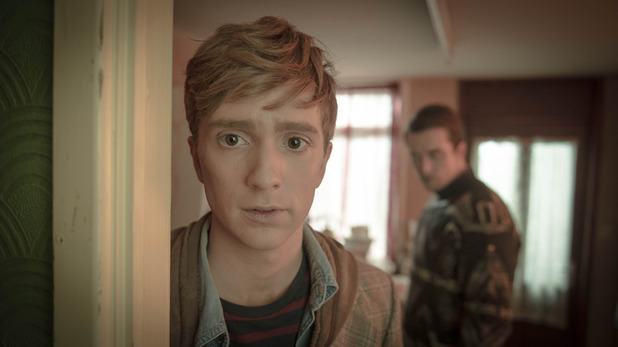
The separate character arcs across this series have been largely brilliantly drawn. Philip in particular has undergone quite the transformation from weaselly ambitious politician to a romantic idealist who stands up for what he believes in. His final moments with Amy, unable to let go of the tiger he won for her until the last moment is just heartbreakingly sad. It's these quieter background arcs, like that of Freddie and Haley in an earlier episode, that make Roarton feel so expansive and yet so insular at the same time. The focus may be on the undead triumvirate of Amy, Kieren and Simon, but around them, a convincing collection of people are going through their own experiences, of which we get the occasional welcome glimpse.
Luke Newberry has been the not-quite-beating heart of the series and is again fantastic here as Kieren finally comes to terms with himself. Having been constantly at war with his image, his status and the way society perceived him, Amy's death allows him to come to some sort of acceptance as he decides to stop running and stay in Roarton. He's also exhibiting the shakes that kickstarted Amy's transformation, which is another promising narrative should the show continue. The happiest part of the episode is when he is finally able to talk to each member of his family, even convincing Jem to get the help that she needs to overcome her trauma.
With that, another fantastic series of In The Flesh comes to a close. There's no confirmation yet as to whether it will receive a third series (it should), but the ending ties up enough loose threads and leaves plenty dangling to continue the narrative should Dominic Mitchell be afforded the chance. I'm particularly intrigued by the arrival of Weston and Halperin representatives in Roarton, which I haven't even got round to mentioning it here though they promise a lot. These six episodes have been an enthralling exercise in world-building and character development and with the mythology steadily building, it would be a shame to not see any more of it. Well-deserving of its BAFTAs and a continued run, In The Flesh is an absolute triumph.
- Becky
You can read Becky's reviews of the previous episode here.
Follow @AssortedBuffery on Twitter
Or like our Facebook page
Last week's episode saw several of Roarton's finest get ready to complete their own personal quests as the village gears up for the Winter Fete. Simon is back in Roarton after he received his orders from the Undead Prophet to sacrifice the First Risen, which he believes to be Kieren, and kickstart the Second Rising. Maxine has discovered the identity of the true First Risen and is hoping that Simon will complete the job for her own personal ends. Kieren himself is under house arrest after being falsely accused of releasing the rabids and under threat of being sent back to the treatment centre in Norfolk at the behest of his parents. He also has to deal with a paranoid and violent Gary. Amy, meanwhile, is feeling again and going through the first flush of romance with unlikely hero Philip.
The final episode's narrative allows for the entire spectrum of emotion to be covered, often extremely moving, funny and horrifying all at the same time.. There's that same blackly comic thread running through in the confrontation between Gary and Kieren or the use of the cattle prod to halt Martin in her tracks. Most overwhelming, though, is the sense of tragedy at the death of Amy. It's long been clear that someone was for the chop this series and Amy's fan favourite status put her at the forefront and so it occurred. The true First Risen, there's a cruel irony in Amy discovering her heart beaten only for it to be stabbed by a crazed Maxine Martin to bring about the Second Rising. It's a horrible moment, thanks in no small part to Emily Bevan's continually excellent performance and the shocking and violent nature of the attack. Bevan's capable balance of Amy's vulnerability coupled with a steely determination to enjoy life has firmly planted her in fan favourite territory (which of course means she has to die).
The threat of the Second Rising has been building throughout the series, something which Maxine Martin and Simon have been both working towards from their opposite ideologies. The conviction of belief in a wide variety of forms has been one of the most prevalent themes so far and is brought in to this episode as the major narrative drive. Shown in another one of the parallel sequences that have been excellent throughout, Gary, Simon and Maxine are seen praying before going into action. Over the course of the episode, these prayers and beliefs are challenged and each react in a completely different way, fuelling a gloriously tense sequence as everybody's different missions come to a head in the old and new Roarton graveyards.
Rather than go for the dramatic, mythological development, Dominic Mitchell (back on writing duties for this episode) chooses to do something much more effective in disproving the entire mythology of the Second Rising. That undercutting of the mythology which has defined much of the second series proves to be much more in keeping with the more understated elements of the show and more welcome than a grandiose reveal. It may bring the village together briefly as they mourn Amy and resent Maxine, but this is Roarton. Things don't change overnight. The pub-based scenes at the end of the episode showed that brilliant public face of acceptance of normality and tolerance before revealing the PDS sufferers are firmly with the Undead Prophet and the living members of Roarton continue with their prejudice.
Maxine Martin has been the weakest link in the series, beginning the narrative as an enigmatic and complex figure before transforming swiftly into a two-dimensional villain that seem to exist just to put spanners in various works. This episode goes some way to rectify that as she takes matters into her own hands in killing Amy and then giving a nicely unhinged speech to everyone gathered at the village fete. With a personal stake in the Second Rising, the complete absence of it sends her over the edge, pushing her religious and prejudice fervour into something more dangerous. Though still not as well drawn or complex as her narrative parallel Simon, Martin's demise does stir up some sympathy for her in the final moments.
It is here that Simon and Martin's paths finally diverge; he too is pushed to the limits by his beliefs, committed to killing Kieren in order to fulfil the Undead Prophet's wishes. However, when Kieren is threatened, he chooses to save him instead. Unlike Martin, Simon is able to pull back from the brink and sacrifice his beliefs for Kieren. Emmett Scanlan has been one of this series' greatest strengths as its gone on and the enigmatic quality he brought to Simon kept everyone guessing right up until the reveal that he had taken the bullet for Kieren. With it looking likely that he will stay and winning over Kieren's parents in the process, a post-religious fervour Simon is a very interesting prospect indeed.
The separate character arcs across this series have been largely brilliantly drawn. Philip in particular has undergone quite the transformation from weaselly ambitious politician to a romantic idealist who stands up for what he believes in. His final moments with Amy, unable to let go of the tiger he won for her until the last moment is just heartbreakingly sad. It's these quieter background arcs, like that of Freddie and Haley in an earlier episode, that make Roarton feel so expansive and yet so insular at the same time. The focus may be on the undead triumvirate of Amy, Kieren and Simon, but around them, a convincing collection of people are going through their own experiences, of which we get the occasional welcome glimpse.
Luke Newberry has been the not-quite-beating heart of the series and is again fantastic here as Kieren finally comes to terms with himself. Having been constantly at war with his image, his status and the way society perceived him, Amy's death allows him to come to some sort of acceptance as he decides to stop running and stay in Roarton. He's also exhibiting the shakes that kickstarted Amy's transformation, which is another promising narrative should the show continue. The happiest part of the episode is when he is finally able to talk to each member of his family, even convincing Jem to get the help that she needs to overcome her trauma.
With that, another fantastic series of In The Flesh comes to a close. There's no confirmation yet as to whether it will receive a third series (it should), but the ending ties up enough loose threads and leaves plenty dangling to continue the narrative should Dominic Mitchell be afforded the chance. I'm particularly intrigued by the arrival of Weston and Halperin representatives in Roarton, which I haven't even got round to mentioning it here though they promise a lot. These six episodes have been an enthralling exercise in world-building and character development and with the mythology steadily building, it would be a shame to not see any more of it. Well-deserving of its BAFTAs and a continued run, In The Flesh is an absolute triumph.
- Becky
You can read Becky's reviews of the previous episode here.
Follow @AssortedBuffery on Twitter
Or like our Facebook page
Tuesday, 3 June 2014
TV REVIEW: Game of Thrones - The Mountain and the Viper
The opening scenes in Molestown set up a brutal tone for what is to follow, a dingily-lit rout of the citizens within as well as some unfortunate Crows who happened to be breaking the rules that night. A lot of the scenes at the Wall this season have felt a lot like padding, as I've mentioned before, but here, it is all forward momentum as the wildlings close in. The fast pace and editing of the scene leaves a little to the imagination as deaths happen in a reflection in a well or shadows against the wall, but there is a handy bit of gore as blood drains through floorboards whilst Gilly looks on. It also is at pains to point out that Ygritte still isn't an out and out villain in a world full of murky grey morality, allowing Gilly and her child to live and advising them to keep quiet.
The following scenes with Missandei and Grey Worm's burgeoning relationship temper the violence a little and although it perhaps goes on a little longer than necessary, it's a nice continuation from the language lessons we saw earlier in the season. Game of Thrones often breaks off for little asides with minor characters often and it works well, reminding the audience of the larger world around the main players. However, it is the later scenes with Dany, in which she discovers Jorah's betrayal, that pack a more emotional wallop. Emilia Clarke has been given little to do but look imperious and bark orders. Here, she portrays Dany's betrayal brilliantly, all hurt and quiet fury. Iain Glen too brings a noble man to his knees with Jorah, desperation creeping into his otherwise measured and assured actions. It's a fleeting yet significant moment, scored beautifully as ever, fracturing one of the longest standing relationships in a matter of seconds.
In contrast, the scenes in the Vale saw a new alliance form, born out of the desire for mutual self-preservation. The swift dispatch of Lysa in the previous episode left Littlefinger in the frame as he had only just married and looked for all the world like the kind of power-hungry creep he is. The court scene saw him flounder in the face of questioning, leaving it to Sansa to rescue her protector and prove herself adept at playing the political game. It's a showcase for Sophie Turner from the moment she enters, allowing her to play up the tortured heroine side of Sansa's character whilst also demonstrating her knack for manipulation. By the end of the episode, she has not necessarily proven herself equal to Littlefinger's kingdom-spanning scheming, but she's certainly a worthy apprentice.
Alongside this, we also get Arya and the Hound finally getting to the Bloody Gate, only to discover that Arya's aunt is now dead and therefore a ransom is unlikely. Arya really does have the worst luck of pretty much anyone in the show and in a wonderful, maniacal giggle, Maisie Williams channels that frustration and disbelief brilliantly. It's a moment of black humour but one undercut with a tangible sense of tragedy. After everything, Arya finally broke a little.
Speaking of being broken, Alfie Allen's performance as Reek has been sublime from the opening of this season. Here, Reek is asked to don his Theon armour again and take back Moat Cailin (appearing in the opening credits for the first time). His delivery as Theon is stilted and rehearsed, further demonstrating that he has become Reek and nothing else now. We also get to see Ramsay Snow legitimised by his father and become Ramsay Bolton. I'm going to go out on a limb and say that's probably not going to do anything to curb the violence.
As a Lannister, Jaime's allegiances within his family have shifted constantly. With his relationship with Cersei all but over, he has been bonding with Tyrion. Their jail-based conversations have been tinged with a melancholy understanding of each other's predicaments and Nikolaj Coster-Waldau and Peter Dinklage have an easy fraternal chemistry that makes them all the more enjoyable. The glimpse back to their childhood here finds Tyrion contemplating the easy ability with which beetles can be squashed by someone much larger. A neat bit of foreshadowing to the battle ahead, Dinklage performs this monologue with all the wit and passion he possesses. This season, he has been continually excellent as his character is backed further and further into a corner and he's still set to face his biggest obstacle yet, thanks to the mutually assured destruction of the fight between the Mountain and Oberyn.
And so we come to the titular battle, a showdown between one man out for vengeance and the killing machine responsible for the death of his sister, Ellia. The episode teases this clash out an extraordinary amount to the point where it is left with just five minutes or so of the episode in which to get its work done. Thankfully, that five minutes is probably among the best action sequences the show has ever produced. The second Oberyn twirls into the arena, the battle ceases to be about Tyrion's freedom and becomes all-consumed with Oberyn's chance for revenge.
In a big nod to that other vengeance-fuelled character, Inigo Montoya, Oberyn circles his prey repeating "you raped her, you murdered her, you killed her children" over and over again. The fight scene was impressive for a number of reasons, not in the least Pedro Pascal's brilliant performance as Oberyn goes from cocksure hero to a bloody mess in mere minutes. The casting directors and the writers have been particularly mean with Oberyn, because Pascal's performance has been so good that everyone just fell in love with him, myself included. He was sassy, he took no crap and looked every bit the champion in the arena. Of course, everyone should have known not to get too attached.
The direction of the clash, assuredly handled by Alex Graves, captured the ebbs and flows of the fight well ensuring that, if you didn't know what was coming, you probably would never have guessed. The choreography was also stunning, using the characters to provide them with fighting styles that reflected on them and their upbringing; whereas the Mountain was all bluster and large blows, Oberyn's movements were fluid and fast. The manner of his death was particularly violent, yet another memorable moment to add to the collection that began for most people with Viserys' 'golden crown'. It's not like anyone really needed reminded after the sword-in-mouth death of Kurt, but King's Landing is just as bloody and just as brutal as ever.
With the next episode the ninth in the season (we all know what means), the stage is set for some Neill Marshall-directed carnage as the wildlings finally reach Castle Black.
- Becky
You can read Becky's review of The Laws of Gods and Men here.
Follow @AssortedBuffery on Twitter
Or like our Facebook page
Monday, 2 June 2014
TV REVIEW: In The Flesh - Episodes Four & Five
The fourth episode of In The Flesh opens with Philip's hilariously twee fantasy of Amy, an idyllic vision (for him) that is quickly interrupted by the concerns of the outside world. It sets the bar for the rest of the episode that sees people continually held back by the world around them until they decide to break out a little and forge their own path. Philip's own narrative forms the spine of the wider story as his frequenting of the brothel is discovered and he is forced to choose between his own ambition and standing up for what is right. His layered characterisation, advanced only through a few short scenes so far in the series, gives this episode its heart. It also adds a bittersweet note to the proceedings as the sacrifice of his reputation leads to a union with Amy at the close.
As ever, there are moments which offer a wider social commentary through the events in Roarton. There's a scene which finds that Simon's preaching is already starting to be misinterpreted by his followers as two of the PDS-sufferers go off on a rogue mission of their own devising. Unleashing two rabids, the pair believe they are doing Simon's work when in fact, he has advocated no such action. Elsewhere, the small community attitudes displayed in the meeting go a long way to satirising many issues from homophobia to racism. As we're now living in a country where senior politicians are found espousing attitudes of a similar ilk, the satire never felt keener.
It all comes to a head in a dinner scene, which, in true In The Flesh fashion, weaves together the more fantastical elements of the show's mythology with the humdrum events of a family meal. The conversation about the upcoming village fete (which looks to be the setting of the major showdown, of course) and the awkward humour that arose out of everyone's attempts to get to know each other was achingly familiar. So too was the clash of family attitudes as Kieren reached breaking point at the dinner table. Following on from Gary's monologue with a graphic account of his own rising, which Simon quickly deduces means he is the first to have done so. Luke Newberry excels in this scene, channelling all of Kieren's pent-up frustration at having avoiding conflict for so long that he erupts in spectacular fashion.
Simon is proving to the show's most difficult mystery to unravel, thanks in no small part to Emmett Scanlan's brilliantly enigmatic performance. He also gets the best line as he informs Kieren's parents that they became friends at work because Simon "liked the way he gave back." There's a bit of a clanger when Simon declares "there's what I believe... and then there's you", but it does quickly get to the heart of what is an upcoming conflict. The end of the episode sees Simon declare to a mystery person on the end of a telephone that he has found the First Risen, but his devotion to Kieren in the rest of the episode seems quite genuine.
The fifth episode once again puts Simon and Maxine Martin on opposite ends of the spectrum with the same goal, though with different motivations. Simon's mission to sacrifice the First Risen for the Undead Prophet and kickstart the Second Rising also appears to be Maxine's though for motivations as yet unclear to the rest of us. The parallels drawn between Simon and Maxine have been a consistent thread throughout the series and Maxine gets her own mysterious phone conversation in the beginning of the fifth episodes. However, unlike Simon, Maxine Martin continues to be the only characterisation that jars with the rest of the show. Wunmi Mosako's performance is not to blame, she's doing the best she can with what she has been given, but Maxine has been reduced to a simple villain without the moral dilemmas that make everyone else so interesting.
Simon's heartbreaking background story in this episode reveals a Frankenstein's Creature-esque tale as he is used as an experimental test subject in the creation of the drug (one of the doctors is even called Victor). The flashbacks are well utilised to shade in the missing aspects of Simon's life before Roarton and the way in which he received his scars, both physical and mental. The scenes with his father are beautifully understated, stripped back to two family members trying to find common ground again. The shot of Simon in his old bedroom showed just how incongruous he was to his surroundings now and compounded the isolation seen in the earlier treatment centre moments.
Scanlan's performance is once again excellent, physically reducing the younger Simon into a more unsteady, hunched against the world figure, twisted by his recent experiences. This contrasts sharply with the confident and brash swagger with which he is usually seen in Roarton, an aspect which seems to begin following his first call to the followers of the Undead Prophet. In the present day scenes in the hotel room after he believes he must kill Kieren, his physicality retreats back to that smaller self, backed into a corner. These flashbacks also call back to the religious aspect of Simon's ongoing quest as the undead followers appear first in a Last Supper-esque tableau upon his entering the room. It's a clever visual trick and one which Alice Troughton pulls off swiftly and with an understated flourish.
Kept apart for the episode, Kieren and Simon nevertheless have their shared experiences, albeit at different points in time. As we see the flashbacks of Simon's family leaving him isolated, we see it occurring in the present day as Kieren is punished for a crime he didn't commit and everyone in Roarton, including the usually reliable Steve and Sue, believe that he did it. Newberry's performance shows Kieren reacting in a different way to Simon, reacting out of disbelief rather than acceptance. Kieren's struggles throughout this episode are a fascinating exploration of the way in which mob mentality becomes infectious and the Roarton community display a similar dogged determination to tear people down as the rabids that were let loose.
Despite the stellar work of Scanlan and Newberry, this episode belongs to Emily Bevan as Amy, going through her own bout of loneliness like those of her friends. Simon and Kieren are off dealing with their own abandonment issues, not realising that their friend is going through something much bigger. That final, dramatic scene in the tent with Philip confirms what many have theorised about Amy's decay; she's slowly coming back to life and feeling again. Her relationship with Philip, given a melancholic finality in the crazy golf scene (another wonderful blend of the banal with the tragic), continues in the same bittersweet vein here. Amy believes that she is dying and her every thought in this scene is affected by that and Bevan plays it beautifully, just as she does in the elated moment of discovering she can feel the reign.
The episode ends on this moment with Simon resolute in his actions, Amy enjoying the rain and Kieren feel helpless in the face of the community anger. However, it is with Maxine that an intriguing revelation comes forth as her eyewitness to the Rising confirms who is the First Risen. Simon is seemingly sure, as we all were, that it was Kieren, yet there is no secondary confirmation here. Could Amy's secondary resurrection be the Second Rising as the PDS sufferers return to life and not, as everyone previously assumed, another zombie uprising? Does that make her the First Risen? Will Simon discover this in time or will his conscience get the better of him? Many questions remain unanswered as we head towards the final episode of what has been an outstandingly good series of In The Flesh and I can't wait to see what it brings us.
- Becky
You can read Becky's review on Episode Three here.
Follow @AssortedBuffery on Twitter
Or like our Facebook page
As ever, there are moments which offer a wider social commentary through the events in Roarton. There's a scene which finds that Simon's preaching is already starting to be misinterpreted by his followers as two of the PDS-sufferers go off on a rogue mission of their own devising. Unleashing two rabids, the pair believe they are doing Simon's work when in fact, he has advocated no such action. Elsewhere, the small community attitudes displayed in the meeting go a long way to satirising many issues from homophobia to racism. As we're now living in a country where senior politicians are found espousing attitudes of a similar ilk, the satire never felt keener.
It all comes to a head in a dinner scene, which, in true In The Flesh fashion, weaves together the more fantastical elements of the show's mythology with the humdrum events of a family meal. The conversation about the upcoming village fete (which looks to be the setting of the major showdown, of course) and the awkward humour that arose out of everyone's attempts to get to know each other was achingly familiar. So too was the clash of family attitudes as Kieren reached breaking point at the dinner table. Following on from Gary's monologue with a graphic account of his own rising, which Simon quickly deduces means he is the first to have done so. Luke Newberry excels in this scene, channelling all of Kieren's pent-up frustration at having avoiding conflict for so long that he erupts in spectacular fashion.
Simon is proving to the show's most difficult mystery to unravel, thanks in no small part to Emmett Scanlan's brilliantly enigmatic performance. He also gets the best line as he informs Kieren's parents that they became friends at work because Simon "liked the way he gave back." There's a bit of a clanger when Simon declares "there's what I believe... and then there's you", but it does quickly get to the heart of what is an upcoming conflict. The end of the episode sees Simon declare to a mystery person on the end of a telephone that he has found the First Risen, but his devotion to Kieren in the rest of the episode seems quite genuine.
The fifth episode once again puts Simon and Maxine Martin on opposite ends of the spectrum with the same goal, though with different motivations. Simon's mission to sacrifice the First Risen for the Undead Prophet and kickstart the Second Rising also appears to be Maxine's though for motivations as yet unclear to the rest of us. The parallels drawn between Simon and Maxine have been a consistent thread throughout the series and Maxine gets her own mysterious phone conversation in the beginning of the fifth episodes. However, unlike Simon, Maxine Martin continues to be the only characterisation that jars with the rest of the show. Wunmi Mosako's performance is not to blame, she's doing the best she can with what she has been given, but Maxine has been reduced to a simple villain without the moral dilemmas that make everyone else so interesting.
Simon's heartbreaking background story in this episode reveals a Frankenstein's Creature-esque tale as he is used as an experimental test subject in the creation of the drug (one of the doctors is even called Victor). The flashbacks are well utilised to shade in the missing aspects of Simon's life before Roarton and the way in which he received his scars, both physical and mental. The scenes with his father are beautifully understated, stripped back to two family members trying to find common ground again. The shot of Simon in his old bedroom showed just how incongruous he was to his surroundings now and compounded the isolation seen in the earlier treatment centre moments.
Scanlan's performance is once again excellent, physically reducing the younger Simon into a more unsteady, hunched against the world figure, twisted by his recent experiences. This contrasts sharply with the confident and brash swagger with which he is usually seen in Roarton, an aspect which seems to begin following his first call to the followers of the Undead Prophet. In the present day scenes in the hotel room after he believes he must kill Kieren, his physicality retreats back to that smaller self, backed into a corner. These flashbacks also call back to the religious aspect of Simon's ongoing quest as the undead followers appear first in a Last Supper-esque tableau upon his entering the room. It's a clever visual trick and one which Alice Troughton pulls off swiftly and with an understated flourish.
Kept apart for the episode, Kieren and Simon nevertheless have their shared experiences, albeit at different points in time. As we see the flashbacks of Simon's family leaving him isolated, we see it occurring in the present day as Kieren is punished for a crime he didn't commit and everyone in Roarton, including the usually reliable Steve and Sue, believe that he did it. Newberry's performance shows Kieren reacting in a different way to Simon, reacting out of disbelief rather than acceptance. Kieren's struggles throughout this episode are a fascinating exploration of the way in which mob mentality becomes infectious and the Roarton community display a similar dogged determination to tear people down as the rabids that were let loose.
Despite the stellar work of Scanlan and Newberry, this episode belongs to Emily Bevan as Amy, going through her own bout of loneliness like those of her friends. Simon and Kieren are off dealing with their own abandonment issues, not realising that their friend is going through something much bigger. That final, dramatic scene in the tent with Philip confirms what many have theorised about Amy's decay; she's slowly coming back to life and feeling again. Her relationship with Philip, given a melancholic finality in the crazy golf scene (another wonderful blend of the banal with the tragic), continues in the same bittersweet vein here. Amy believes that she is dying and her every thought in this scene is affected by that and Bevan plays it beautifully, just as she does in the elated moment of discovering she can feel the reign.
The episode ends on this moment with Simon resolute in his actions, Amy enjoying the rain and Kieren feel helpless in the face of the community anger. However, it is with Maxine that an intriguing revelation comes forth as her eyewitness to the Rising confirms who is the First Risen. Simon is seemingly sure, as we all were, that it was Kieren, yet there is no secondary confirmation here. Could Amy's secondary resurrection be the Second Rising as the PDS sufferers return to life and not, as everyone previously assumed, another zombie uprising? Does that make her the First Risen? Will Simon discover this in time or will his conscience get the better of him? Many questions remain unanswered as we head towards the final episode of what has been an outstandingly good series of In The Flesh and I can't wait to see what it brings us.
- Becky
You can read Becky's review on Episode Three here.
Follow @AssortedBuffery on Twitter
Or like our Facebook page
Subscribe to:
Posts (Atom)
